
A guide to quitting 7-OH and kratom for people considering treatment in Huntington Beach
7-OH withdrawal can happen when someone who has developed physical dependence reduces or stops using 7-hydroxymitragynine. Symptoms can include restlessness, body aches, sweating, stomach upset, anxiety, and difficulty sleeping. Withdrawal may begin within hours, but research has not established one reliable timeline for everyone.
You may have started using a product for pain, stress, or to get through the day. Now you feel unwell when it wears off, or you find yourself taking it just to feel normal. That change is a reason to ask for help, even if the product came from a store rather than a prescription.
This guide explains how 7-OH differs from kratom leaf, what withdrawal can feel like, and what to discuss with a treatment provider before quitting.
What is 7-OH, and how is it different from kratom?
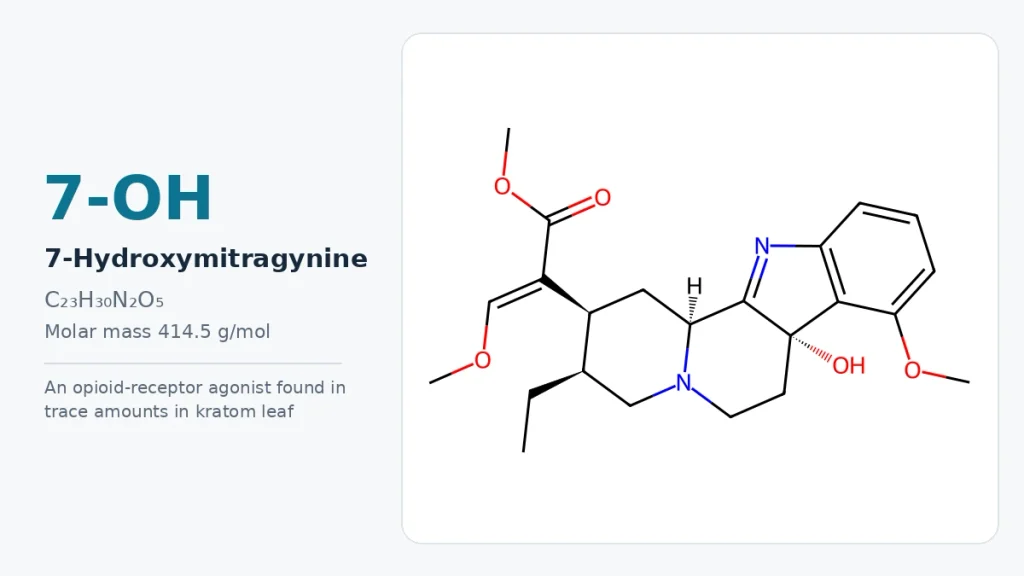
7-OH is short for 7-hydroxymitragynine, a compound that acts on opioid receptors. It occurs naturally in trace amounts in kratom, but concentrated commercial 7-OH products can contain added or enhanced levels. These products may be sold as tablets, gummies, shots, or other formulations.
The FDA distinguishes concentrated 7-OH products from natural kratom leaf. Concentrated 7-OH products have not been proven safe or effective for medical use, and the agency recommends avoiding them.
Traditional kratom products can also lead to dependence and withdrawal. However, a person’s experience stopping kratom leaf does not reliably predict what will happen when they stop a concentrated 7-OH product. Tell your clinician exactly what you take, rather than describing every product as “kratom.”
Why 7-OH withdrawal happens
With repeated use, your body can adapt to a substance. Physical dependence means reducing or stopping it can bring on withdrawal symptoms. You may notice that a usual amount no longer has the same effect, or that you need another dose to relieve discomfort.
Physical dependence and a substance use disorder are related but different. A diagnosis considers a broader pattern, including difficulty controlling use and continuing despite harm. A clinician can help you understand both your withdrawal risk and whether ongoing addiction treatment would be appropriate.
What are the symptoms of 7-OH withdrawal?
Reported 7-OH withdrawal symptoms overlap with opioid withdrawal and may include:
- Restlessness, including difficulty getting comfortable
- Body or muscle aches
- Sweating, chills, or feeling clammy
- Nausea, abdominal cramping, or diarrhea
- Anxiety or irritability
- Difficulty sleeping
- Cravings or an urge to take more to relieve symptoms
A 2026 case report published in the Journal of the American Pharmacists Association described gastrointestinal symptoms, restlessness, chills, and anxiety after a patient stopped concentrated 7-OH. Another published clinical case documented withdrawal within eight hours. These reports help clinicians recognize the problem, but they do not establish what every person will experience.
Kratom withdrawal symptoms can overlap with these concerns. The National Institute on Drug Abuse’s kratom overview describes withdrawal after regular use and notes that more research is needed to understand treatment.
7-OH withdrawal timeline: how long does it last?
There is no well-established, universal 7-OH withdrawal timeline. The published evidence includes individual case reports, and experiences can differ with the product, amount used, frequency of use, other substances, and treatment received. A fixed online schedule cannot tell you when your symptoms will peak or resolve.
When symptoms can begin
Withdrawal can begin within hours in some people. The eight-hour onset in the clinical report above is an example, not a countdown to follow. If you already feel unwell between doses, tell a clinician before attempting to stop.
The period when symptoms need active attention
Symptoms may continue beyond the first day. In the pharmacist-focused case report, the patient sought emergency care about 48 hours after the last dose. That observation does not establish a typical peak. Clinicians assess your current condition and adjust care rather than relying only on time since use.
After the most intense symptoms improve
Sleep problems or other concerns may need continued attention. A case report involving both concentrated 7-OH and nicotine use described poor sleep after hospital discharge. Because multiple substances and treatments were involved, that experience cannot establish a standard duration for 7-OH withdrawal.
If you are trying to plan time away from work or family responsibilities, ask a provider about both withdrawal care and follow-up. Feeling physically steadier does not necessarily mean you no longer need support.
How to quit 7-OH or get off kratom
Start with an assessment by a healthcare professional familiar with substance use and withdrawal. A plan should account for what you use, previous attempts to stop, your health, and the support available to you.
Before that conversation, gather:
- The product name and a photo of its packaging or ingredient label
- How much you take, how often, and when you last used it
- Symptoms that appear when you miss or reduce a dose
- Medications, supplements, alcohol, and other substances you use
- What happened during previous attempts to quit
A clinician can discuss whether outpatient care, a supervised withdrawal setting, or another level of support fits your needs. If you are searching for how to taper off 7-OH, ask for an individualized plan. A percentage schedule from an online forum may not account for the product’s contents, your symptoms, or other health concerns.
Do not add alcohol, borrowed sedatives, or someone else’s prescription medication to manage symptoms. Tell the clinician if you regularly use alcohol or benzodiazepines, because stopping those substances can introduce additional withdrawal risks.
What helps with 7-OH withdrawal?
Treatment may involve symptom monitoring, support for hydration and nutrition, and prescribed medication when clinically appropriate. The pharmacist-focused case report describes treatment addressing withdrawal and specific symptoms. It is an example of individualized care, not a medication list to reproduce at home.
Rest and a supportive environment can help you cope, but they do not replace an assessment when symptoms are difficult to manage. Contact a healthcare professional promptly if vomiting or diarrhea prevents you from keeping fluids down, or symptoms are worsening.
Does Suboxone help with 7-OH withdrawal?
Buprenorphine, a component of Suboxone, may be considered for some people with 7-OH-related opioid use disorder. Published case reports describe its use, but the evidence is still limited. It is not automatically appropriate for everyone experiencing kratom or 7-OH withdrawal.
SAMHSA explains that buprenorphine can reduce opioid withdrawal and cravings. Starting it requires clinical guidance: under some circumstances, it can trigger sudden, severe withdrawal, known as precipitated withdrawal. A prescriber should determine the medication, timing, and follow-up plan.
When to seek emergency help
Call 911 if someone is unresponsive, has slow or difficult breathing, has a seizure, or develops severe confusion. Do not assume these signs are ordinary withdrawal or wait for a treatment admissions appointment.
For a suspected reaction to a 7-OH product, the FDA advises contacting Poison Help at 1-800-222-1222. Emergency symptoms require 911.
Why Reddit withdrawal stories cannot predict your experience
Searching for “7oh withdrawal Reddit” may bring up accounts that sound familiar. Those stories can help you feel less isolated, but they are not clinical assessments. You may not know the person’s product, other substance use, health history, or treatment.
Use the questions those stories raise to prepare for a conversation with a clinician. Avoid copying taper schedules or prescription instructions from strangers, especially when you are already struggling to sleep or manage symptoms.
What comes after withdrawal care
If you started using kratom or 7-OH to manage pain, anxiety, or emotional distress, those concerns deserve attention in the ongoing plan. Ask how a provider will help you manage the original problem as well as cravings and triggers.
Continued care may include medication follow-up, individual therapy, outpatient treatment, residential care, or recovery support. The right combination depends on your assessment. You do not need to fit a particular image of addiction to discuss treatment.
7-OH treatment at Aloha Recovery California
Aloha Recovery California offers 7-OH addiction treatment in Huntington Beach, along with drug and alcohol detox and residential treatment. Contact the team to discuss your use, symptoms, and whether its programs can meet your needs.
Our attachment-based, trauma-informed approach emphasizes emotional safety and supportive relationships. Treatment planning considers the person behind the substance use, including the concerns that may make stopping difficult.
If you are helping someone you love, you can make the first call to ask about assessment and treatment options. You do not need to know the exact product or have every answer before reaching out.
Frequently asked questions about 7-OH and kratom withdrawal
How long does 7-OH withdrawal last?
Research has not established one reliable duration for 7-OH withdrawal. Symptoms can begin within hours in some people, while the course depends on the product, use pattern, other substances, and treatment. A clinician can assess your symptoms and help plan withdrawal care and follow-up.
Can I get off 7-OH without withdrawal?
No approach can guarantee that you will avoid withdrawal. If physical dependence has developed, reducing or stopping 7-OH may cause symptoms. A clinician can discuss ways to manage discomfort, monitor your condition, and decide whether medication or a supervised setting is appropriate for you.
Does Suboxone help with 7-OH withdrawal?
It may help some people when prescribed as part of an individualized treatment plan. Evidence specific to 7-OH remains limited and includes case reports. Because starting buprenorphine can sometimes trigger precipitated withdrawal, a qualified prescriber should guide its use rather than an online dosing schedule.
What is “70h” withdrawal?
“70h” is commonly a misspelling of 7-OH, with a zero in place of the letter O. It usually refers to withdrawal from 7-hydroxymitragynine products. If you are unsure what you have taken, show the packaging or a clear label photo to a healthcare professional.
Is there treatment for 7-OH or kratom use in Orange County?
Aloha Recovery California has a 7-OH treatment program in Huntington Beach, Orange County. Contact admissions to discuss the specific product you use, whether withdrawal care is needed, and program suitability. Ask directly about care for kratom leaf or extracts, since products and treatment needs differ.
Find your starting point with Aloha Recovery
If withdrawal keeps bringing you back to 7-OH or kratom, you can ask for help before attempting another quit on your own. Contact Aloha Recovery California to discuss your concerns, learn about our Huntington Beach programs, and ask about insurance or payment options.